Source Crystal Stone Pendant Necklace for Gifts, Jewelry, and Decor
Find and compare 30 Crystal Stone Pendant Necklace options from China. Evaluate materials like stainless steel, 925 sterling silver, and alloy, alongside plating choices such as gold, silver, and rhodium. Review customization services, MOQs, and shipping details to select the right supplier for your needs.
Key considerations
Products List


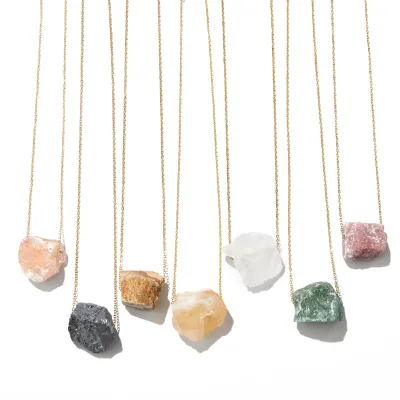


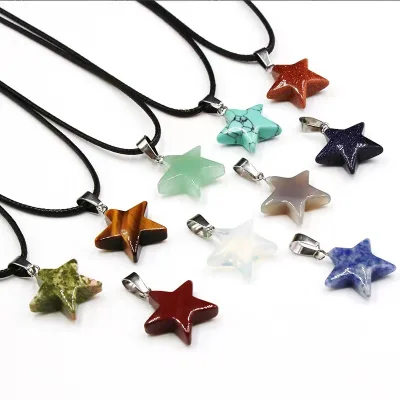
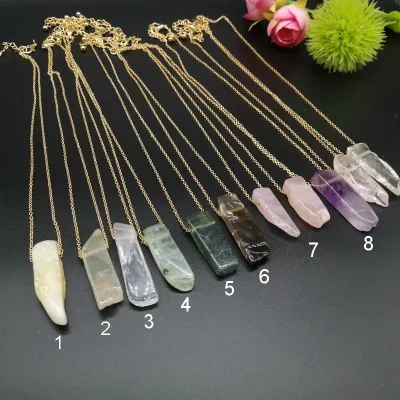
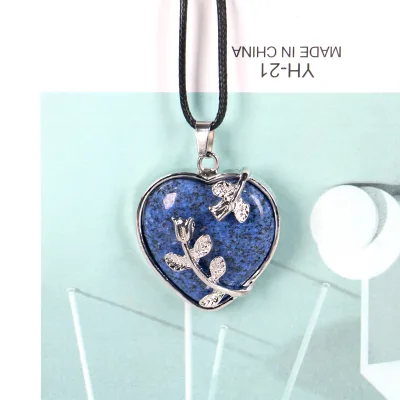
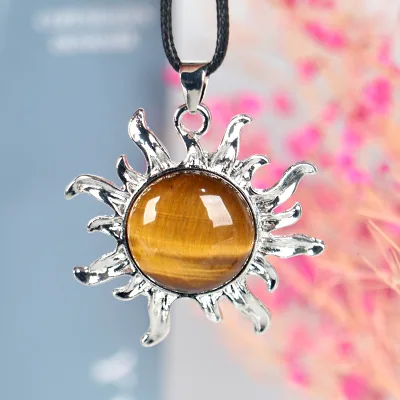


Fashion Necklace Chain Gold with Crystals and Rhinestone Pendant 34~36+4cm
$1.48 - $1.58
MOQ: 500 Pieces


Fashion Necklace Chain Gold with Crystals and Rhinestone Pendant 22~24+5cm
$2.40 - $2.50
MOQ: 500 Pieces


Comprehensive Sourcing Guide
Crystal Stone Pendant Necklace Sourcing Guide
Sourcing crystal stone pendant necklaces requires a nuanced understanding of the intersection between natural gemstone variability and manufactured jewelry components. Buyers must recognize that "crystal" in this context often refers to a broad category encompassing natural semi-precious stones, synthetic crystals, and treated minerals, each with distinct sourcing implications. The core keyword signals a product category where aesthetic appeal is driven by the specific cut, clarity, and color of the stone, while structural integrity depends on the setting method and chain material. Procurement teams should approach this category not as a commodity but as a semi-customized accessory line where material authenticity and design flexibility are primary value drivers.
The observed market data indicates a diverse supply base, primarily concentrated in Guangdong, China, with significant manufacturing hubs in Guangzhou. This geographic concentration suggests a mature ecosystem for both metal fabrication and stone processing, offering buyers access to integrated supply chains. However, the diversity of materials listed—from stainless steel and 925 sterling silver to various alloys—means that a single supplier may not specialize in all variations. Buyers need to segment their sourcing strategy based on the specific stone type and metal combination, ensuring that the supplier has proven expertise in handling the particular physical properties of the chosen crystal, such as hardness and brittleness, which affect setting durability.
Product Scope and Observed Listing Signals
The product scope for crystal stone pendant necklaces spans multiple price points and customization levels, reflecting the wide variance in material costs and labor intensity. Observed listing signals reveal a price range from $0.10 to $11.85 USD, which correlates directly with the base metal used and the authenticity of the stone. Lower price points typically align with alloy bases and synthetic or treated stones, while higher tiers involve sterling silver or gold plating with natural gemstones like sodalite, howlite, amazonite, tiger eye, and amethyst. Buyers should interpret these price signals as indicators of material grade rather than absolute value, as labor costs for intricate wax settings or custom designs can significantly influence the final unit cost regardless of material.
Listing attributes also highlight significant variability in minimum order quantities (MOQs), ranging from 1 piece to 1,000 pieces, with common thresholds at 30, 50, and 500 pieces. This range accommodates both small-batch boutique orders and large-scale promotional campaigns. The presence of "Customized Logo" and "OEM/ODM" services indicates that many suppliers are equipped to handle brand-specific requirements, including custom packaging and branding. Buyers should note that lower MOQs often come with higher per-unit costs and may limit customization options, whereas higher MOQs typically unlock better pricing and full design flexibility, including custom pendant shapes and chain lengths.
Technical Specifications to Verify
Technical verification must begin with the material composition of both the metal setting and the stone itself. Buyers should explicitly confirm whether the metal is stainless steel, 925 sterling silver, or alloy, as this dictates durability, hypoallergenic properties, and resale value. For the stone, specifications should detail the exact type, such as sodalite, howlite, amazonite, tiger eye, red stone, amethyst, apatite, Caiying stone, rose quartz, yellow jade, yellow turquoise, rock crystal, obsidian, Labradorite, or blue crystal. The listing data shows a wide array of stone options, and buyers must verify that the supplier can source the specific variety required, as availability and consistency can vary significantly between different stone types.
Chain specifications and setting methods are critical for ensuring product longevity and wearability. Standard chain lengths observed include 45cm with a 5cm extender, as well as 40cm and 45cm options, allowing for versatility in styling. The setting method, such as wax setting, must be verified for security, as improper setting can lead to stone loss during wear. Additionally, plating options like gold, silver, or rhodium should be confirmed for their thickness and durability, especially for alloy-based products where plating wear is a common failure point. Buyers should request detailed technical drawings or samples to verify the precision of the pendant shape, whether circle, cross, or charm, and ensure the chain strength matches the weight of the stone.
Compliance and Safety Documentation
Compliance documentation is essential for mitigating legal and reputational risks, particularly when selling to regulated markets. Buyers should verify that suppliers hold relevant certifications, such as SGS, which can attest to material safety and quality management systems. While specific certification requirements vary by destination market, general compliance often involves testing for heavy metals like lead, cadmium, and nickel, especially in plated alloys and silver products. Buyers must ensure that the supplier can provide test reports from accredited laboratories to confirm that the products meet international safety standards for jewelry, preventing issues related to skin irritation or toxic material exposure.
Packaging and labeling compliance are also critical components of the procurement process. The observed packing methods, including OPP bags, strong cartons, and paper cards, must align with the buyer’s branding and regulatory labeling requirements. Buyers should verify that the supplier can accommodate custom packaging specifications, such as including care instructions, material composition labels, and country of origin markings. Additionally, for products claiming specific material standards, such as 925 sterling silver, buyers should ensure that the packaging and documentation accurately reflect these claims to avoid misrepresentation issues in retail environments.
Cost Drivers and Commercial Terms
Cost drivers in this category are primarily influenced by material costs, customization complexity, and order volume. The choice between stainless steel, sterling silver, and alloy significantly impacts the base cost, while the type of stone, whether natural or synthetic, adds further variance. Customization efforts, such as creating unique pendant shapes, applying customized logos, or developing OEM designs, introduce additional tooling and labor costs. Buyers should negotiate pricing based on a clear understanding of these variables, requesting detailed breakdowns that separate material costs from labor and customization fees to identify areas for potential savings.
Commercial terms, including lead times and payment structures, vary based on the complexity of the order and the supplier’s capacity. Observed delivery times range from 30 to 40 days, which is typical for customized jewelry orders involving stone sourcing and metal fabrication. Buyers should align their inventory planning with these lead times, accounting for potential delays in stone procurement or quality control processes. Payment terms should be structured to balance risk, with deposits for material procurement and balance payments upon completion of quality inspections. Clear agreements on shipping terms, such as FOB or EXW, are also necessary to manage logistics costs and responsibilities.
Supplier Qualification and Quality Control
Supplier qualification requires a thorough assessment of manufacturing capabilities and quality control processes. Buyers should verify the supplier’s experience in handling specific stone types and metal finishes, requesting references or case studies from previous clients. The ability to provide OEM/ODM services indicates a level of technical proficiency, but buyers should also assess the supplier’s design team for creativity and responsiveness. Factory audits, either virtual or on-site, can provide insights into production capacity, equipment quality, and adherence to safety standards, ensuring that the supplier can consistently meet volume and quality expectations.
Quality control protocols must be clearly defined and enforced throughout the production process. Buyers should establish specific acceptance criteria for stone clarity, color consistency, and metal plating durability. Pre-shipment inspections are critical to identify defects such as loose settings, scratches, or plating imperfections before the goods leave the factory. Implementing a robust quality control plan, including random sampling and detailed inspection reports, helps minimize the risk of receiving substandard products. Buyers should also define clear procedures for handling defective items, including replacement or refund policies, to protect their investment.
Long-Term Procurement Checks
Long-term procurement success depends on establishing a sustainable relationship with suppliers who can adapt to changing market demands and regulatory landscapes. Buyers should regularly review supplier performance metrics, including on-time delivery rates, product quality consistency, and responsiveness to issues. Continuous communication and feedback loops help identify areas for improvement and foster collaboration on new designs or material innovations. Building a diversified supplier base can also mitigate risks associated with single-source dependencies, ensuring continuity of supply in case of disruptions.
Market trend monitoring is essential for staying competitive in the Crystal Stone Pendant Necklace segment. Buyers should track emerging styles, popular stone types, and consumer preferences to inform future sourcing decisions. Engaging with suppliers on trend forecasting and co-developing new products can provide a competitive advantage. Additionally, staying informed about changes in international trade regulations, material sourcing ethics, and sustainability standards ensures that the procurement strategy remains compliant and aligned with brand values. Regular strategic reviews of the sourcing plan help optimize costs, improve quality, and enhance overall supply chain resilience.
FAQs
What materials are available for crystal stone pendant necklaces
Crystal stone pendant necklaces are commonly crafted from 925 sterling silver, stainless steel, or alloy. The choice of material affects durability and cost, with sterling silver offering a premium finish while alloy provides a budget-friendly option for bulk orders.
Can I customize the logo and packaging for crystal stone pendant necklaces
Yes, customization is available for both logos and packaging. Suppliers can apply customized logos to the pendants and offer packaging options such as OPP bags, strong cartons, or paper cards to meet specific branding and retail requirements.
What is the typical lead time for Crystal Stone Pendant Necklace orders
The typical lead time for these orders is 30 to 40 days. This duration accounts for production, quality control, and preparation for shipment, allowing buyers to plan their inventory and marketing schedules accordingly.
Which certifications are provided for crystal stone pendant necklaces
Suppliers often provide SGS certification to verify product quality and safety standards. This certification helps buyers ensure that the jewelry meets international compliance requirements for materials and manufacturing processes.
What is the minimum order quantity for crystal stone pendant necklaces
The minimum order quantity varies by supplier, with common thresholds including 30 pieces, 50 pieces, or 500 pieces. Buyers should confirm the specific MOQ with the manufacturer to align with their initial inventory needs and budget constraints.
What plating options are available for crystal stone pendant necklaces
Common plating options include gold, silver, and rhodium. These finishes enhance the aesthetic appeal and durability of the pendants, with rhodium plating often chosen for its resistance to tarnishing and bright white appearance.
Can crystal stone pendant necklaces be used for both men and women
Yes, these necklaces are suitable for females, males, and children. The design style is often simple or fashion-oriented, making them versatile for various demographics and occasions, including daily wear or special events.